

At some point, most meth users notice their teeth are suddenly sensitive or breaking off easily. It might start with minor dental issues, such as chips in their teeth or developing cavities. But, before they know it, they’re noticing more dental problems, losing teeth, seeing a receding gum line, and experiencing severe pain in their mouth becomes a constant.
Meth affects saliva production, which normally protects your teeth, and users often crave sugary foods while skipping brushing and flossing. The combination makes teeth decay faster than usual, gums recede, and infections can set in, all signs of what dentists call “meth mouth.”
What Is Meth Mouth?
Meth mouth is the term for the extreme oral damage caused by methamphetamine abuse. Meth is a potent stimulant that reduces saliva production, leaving teeth exposed to acid and bacteria. Users often crave sugary foods, skip brushing, and grind their teeth for hours, accelerating tooth decay.
The combination of poor oral hygiene, meth’s devastating effects, and extended periods of drug abuse leads to rapid enamel erosion, gum inflammation, and even tooth loss. Within months, minor cavities can turn into severe decay and permanent damage.
What Does Meth Do to Your Teeth and Gums?
Meth affects your mouth in a few ways at once. Reduced saliva flow dries the mouth, creating an environment where decay-causing bacteria thrive. Teeth can erode quickly, gums recede, and oral infections become more likely.
On top of that, meth can trigger intense teeth grinding, which erodes tooth enamel and sometimes damages the temporomandibular joint. The result is a cycle of decay and gum disease that can be difficult to reverse without professional help.
Meth mouth isn’t just cosmetic — its effects are systemic. The combination of dry mouth, poor hygiene, and grinding accelerates tooth damage at a frightening pace.
Early Symptoms and Oral Effects
Before noticing severe tooth decay, meth users may notice subtle signs. Dry mouth, sensitivity to hot or cold foods, and minor cavities often appear first. Catching these early signs is exactly why regular dental preventive care services are so important. Preventive care can detect decay and gum inflammation early, apply topical fluorides, and guide patients on hydration, brushing, and diet. Even small steps can slow tooth erosion and protect remaining teeth.
How Meth Mouth Affects Daily Life
Eating can become painful, speaking can feel awkward, and your self-esteem can take a nosedive. Visible damage, often called “meth face,” can lead to social withdrawal and stigma. Chronic pain and oral infections also affect overall health and well-being, including mental health. For many, the embarrassment of missing or decayed teeth compounds the isolation, creating a cycle that’s hard to break without intervention.
How the Damage Progresses With Ongoing Methamphetamine Use and Neglect
Methamphetamine abuse can take months or just weeks to wreak havoc. Continued drug use, poor oral hygiene, and a high-sugar diet all feed the problem.
Dry Mouth (Xerostomia)
Xerostomia, or dry mouth, is a common side effect of methamphetamine use. Meth drastically lowers saliva production. Without saliva, acids from food and decay-causing bacteria aren’t neutralized. Teeth erode faster, cavities multiply, and gum tissue becomes inflamed. Dry mouth also makes brushing and flossing uncomfortable, allowing decay and oral infections to spread unchecked.
Teeth Grinding
Grinding and clenching teeth is common among meth users. Coupled with dry mouth, this mechanical stress accelerates enamel loss and increases the risk of tooth fractures. A dentist in Las Vegas, Nevada, can provide night guards or other solutions to protect the temporomandibular joint and remaining teeth.
Poor Diet, Dental Health, and Gum Problems
Methamphetamine users often crave sugary foods and energy drinks. Combine that with neglecting to brush and floss, and decay accelerates rapidly. Gum inflammation, periodontal disease, and missing teeth can develop quickly. Nutritional deficiencies and suppressed immune response increase the likelihood of oral infections, with systemic effects on overall health.
A 2015 study found that over 96% of long-term methamphetamine users had cavities, and over 58% had untreated tooth decay.
“Only 23 percent retained all of their natural teeth, compared 48 percent for the general population in the U.S.”
Treatment Options for Crystal Meth Addiction
You can’t fix meth mouth without addressing meth use itself. Recovery is the first step to stopping further damage. Treatment may involve therapy, medical detox, and support groups. Organizations like the Substance Abuse and Mental Health Services Administration (SAMHSA) offer helplines and resources.
Once drug use stops, saliva production can improve, nutritional intake stabilizes, and dental interventions are far more effective. Combining addiction support with preventive dental care helps protect teeth, promote healing, and improve overall well-being.
What Does Meth Mouth Dental Treatment Look Like?

Dental treatment depends on how far the decay has progressed.
- Early-stage: Fillings, cleanings, and topical fluorides to stop decay and protect enamel.
- Mid-stage: Crowns, gum care, and sometimes partial dentures to restore function.
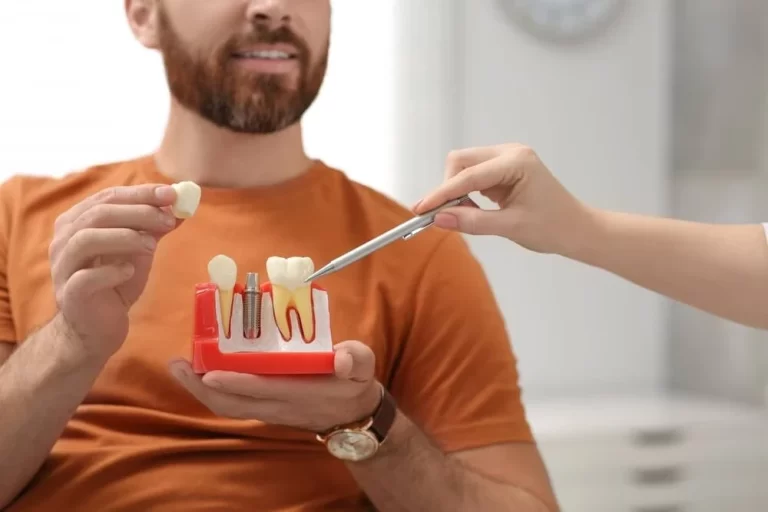
- Severe cases: Full extractions with reconstruction. Some patients weigh their options between a dental bridge vs implant, or orthodontics to realign remaining teeth with an Invisalign dentist in Las Vegas.
Alongside restoration, ongoing preventive measures, such as improved dental hygiene, dietary changes, and saliva substitutes, help protect remaining teeth and prevent further decay.
Frequently Asked Questions
What early dental changes should I watch for?
Can my teeth be saved if decay has started?
Is meth mouth reversible?
Comprehensive Treatment for Meth Mouth Begins With Las Vegas Dental Professionals
The path to recovery from meth mouth starts with stopping meth use. Once drug use is addressed, dental professionals can tackle severe decay, gum disease, and tooth loss.
Baldwin Distinctive Dentistry offers dental services in Las Vegas, NV, combining comprehensive care, including restorative work, patient education, and preventive strategies. With the right support, patients can regain confidence, protect remaining teeth, and work toward a healthier, brighter smile. Seeking help early improves both oral health and overall well-being.
Methodology Disclaimer: This article was created using current dental and addiction guidelines, reputable sources, and clinical observations. Information is for educational purposes only and not a substitute for individualized medical or dental advice.