


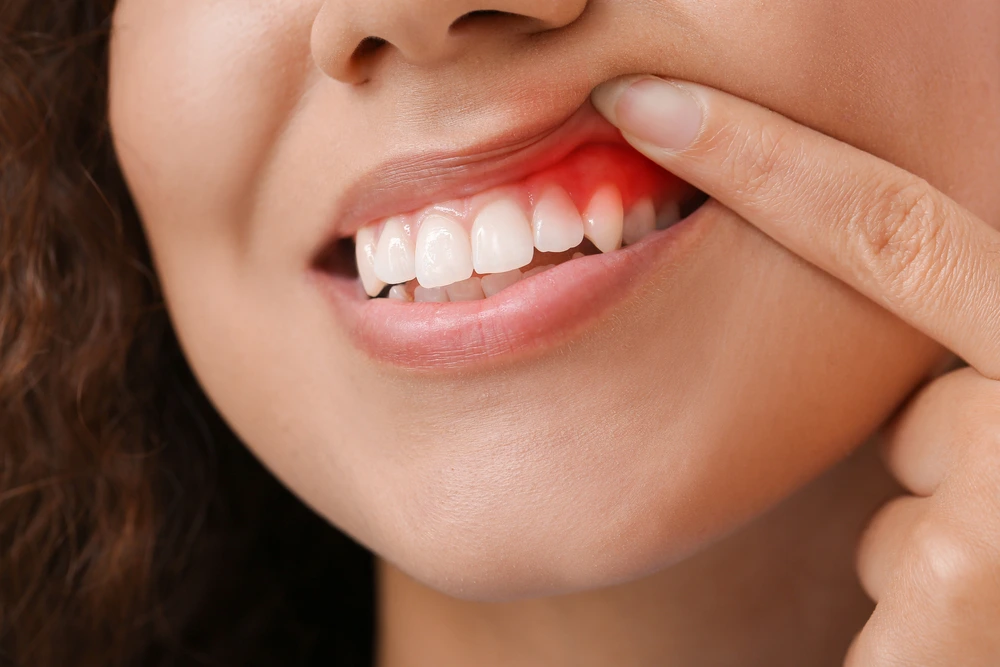


If you’ve ever looked in the mirror after dental work and thought, “That doesn’t look right,” you’re not alone. Gums go through some strange phases while healing, and they don’t always look the way people expect. Redness, swelling, white patches, or tenderness can all be completely normal at different points, which is why understanding what healing gums actually look like can save you a lot of stress.
The goal of this guide is simple: help you recognize what’s normal, what’s improving, and when it’s time to call for help. Healing gums tell a story, and once you know what to look for, that story becomes much easier to read.
A healing gum starts out looking slightly red or pink and a bit swollen. That’s normal. Over the next week or two, it firms up, turns paler pink, and smooths out. If you spot a white or creamy film over an extraction site, don’t panic. That’s granulation tissue doing its job, not pus. Once gums are fully healed, they should feel firm, sit snugly around each tooth, look pale pink (or whatever your natural pigmented shade is), and not bleed when you brush gently.
Gum Healing Process: From Blood Clots to Granulation Tissues Explained
Gum healing happens in a predictable sequence, and it helps to know the “why” behind what you’re seeing.
Initial Healing of Gums
Right after dental work or injury, your body kicks into its initial healing phase: inflammation. Blood vessels widen and blood flow increases, which is why gums look red and feel puffy. This is when the immune system is most active, sending white blood cells to the area to defend against bacteria and clean up damaged tissue so healing can begin.
Next Stage of Gum Healing
Next comes protection and repair. After an extraction or any area where tissue is opened, a blood clot forms quickly. This clot acts like a natural, protective layer and should stop bleeding from occurring. Over the next couple of days, the clot protects the site while new tissue regeneration begins to build. This is when many people notice a whitish or cloudy layer. That layer is usually granulation tissue, a normal part of healing that can look white, creamy, or pale pink.
As the days pass, swelling often peaks around days 2–3 and then starts to settle down. Discomfort typically decreases, and the gumline begins to tighten. Between days 7 and 14, the new tissue strengthens and becomes more stable, shifting from soft and tender to firmer and smoother.
Final Stage of Gum Tissue Healing
The final stage is gum tissue remodeling. Over the next several weeks, the gum tissue continues to mature and blend back into its natural look and texture. Color usually fades from bright red or dark purple back to your normal shade, which can range from light pink to deeper brown or purplish tones depending on pigmentation.
By one to four weeks, healthy healing gums are usually firmer, less sensitive, and less likely to bleed, even if the deeper healing underneath the surface continues a bit longer. For instance, many patients notice that by the second week, the gum area feels less tender when brushing and no longer bleeds during gentle flossing, even if the color still looks slightly uneven. That visual lag can be normal while deeper healing continues.
“Healthy gums are firm and pale pink.” – Mayo Clinic
How Gum Healing Differs by Dental Procedure

Not all proper healing gums looks the same. The type of dental procedure plays a big role in how gums appear and how long a smooth recovery takes.
Tooth Extraction Site Healing
After a tooth extraction, the first thing that happens is a blood clot forms, normally within the first 24 hours. It’s essential for protecting the underlying bone and nerve endings. In the days that follow a tooth extraction, healing includes granulation tissue that develops. It often looks white or creamy and can surprise patients who expect everything to look pink right away.
Gum Surgery Healing Process
Procedures like reshaping or corrective gum treatment often cause more visible swelling at first. Gums may appear red or bruised and feel tender. Sutures may be present depending on the procedure. Over time, swelling subsides and the tissue begins to look smoother and more even.
This type of healing is common after treatments such as gum contouring Las Vegas Nevada patients choose for functional or cosmetic reasons.
If cost is a concern, gum contouring at Baldwin Distinctive Dentistry typically starts around $100 per tooth, and the total depends on how many teeth are treated and how much shaping is needed. You will receive a clear estimate at your consultation; most insurance is accepted, and flexible payment options are available to help make treatment accessible.
Healing Gums After Injury or Trauma
Accidental trauma, like biting your cheek or brushing too aggressively, can cause localized gum injury. These areas may look bright red or purplish at first. A bruised gum often looks dark red, purple, or bluish, while a small cut or scrape may look bright red at first and then develop a thin white or yellowish layer as it heals. Healing usually happens faster here, often within a week, as long as the area stays clean and isn’t repeatedly irritated.
Deep Cleaning (Scaling and Root Planing) Healing
After deep cleaning, gums can feel sore and sensitive for several days. It’s common to notice mild swelling or redness at first. As inflammation reduces, gums tighten around the teeth and may look slightly lower as swelling resolves. This tightening is a positive sign.
Getting Dental Implants Gum Healing
After implant placement, gums often look red and slightly swollen at first, and tenderness is normal. If stitches are used, the tissue may look raised for a few days, then smooth out as that persistent swelling decreases. Over the next 1 to 2 weeks, gums usually become firmer and closer to their natural color, while deeper healing continues under the surface.
Stages of Gum Healing: What to Expect
Below is a general timeline of what healing gums often look and feel like. Individual experiences vary, but this gives a helpful reference point.
| Timeframe | What you might see and feel | What it means |
|---|---|---|
| First 24 hours | A dark red blood clot forms; bleeding eases; mild swelling and tenderness begin. | The clot is protecting the site. Protect it: no vigorous rinsing, straws, smoking, or alcohol. |
| Days 2–3 | Swelling often peaks, a white or creamy film may appear over an extraction site, and discomfort is near its highest. | This is normal granulation tissue, not pus. Cold compresses and rest help most here. |
| Days 4–7 | Swelling and redness start to settle, the gumline begins to tighten, and light scabbing can appear. | Inflammation is calming down. Discomfort should be steadily improving, not worsening. |
| Days 7–14 | Tissue firms up; color shifts from red or purple toward pink; less tenderness when brushing, less bleeding with gentle flossing. | New tissue is stabilizing. Some uneven color is normal while deeper healing continues. |
| Weeks 2–4 | Gums look and feel closer to normal: firmer, resilient, snug around the teeth, sometimes lightly stippled like an orange peel. | Surface healing is largely complete for many procedures, though the timeline varies by treatment. |
| Beyond 4 weeks | The surface can look healed while deeper healing continues, especially bone after an extraction or integration around an implant. | Deeper healing simply takes longer than surface tissue; follow your dentist’s guidance. |
This timeline is a generic reference. Healing time varies with the procedure, your overall health, and habits like smoking, so use it alongside your dentist’s specific aftercare instructions.
Tips to Support Smooth Gum Healing
Healing is your body’s natural response to irritation or dental work, and the right daily habits can support that process. The steps below help promote healing, keep the area comfortable, and maintain oral health while your gums recover.
Best Foods and Diet During Gum Healing
Stick to soft foods, especially non-acidic foods in the early stages. Yogurt, soups, eggs, mashed potatoes, and smoothies help you avoid chewing on sore areas. Crunchy, spicy, or acidic foods can irritate healing tissue and slow progress. Avoid sugary snacks for a few days as well. Staying hydrated also helps keep tissues healthy and supports circulation.
Oral Hygiene Tips for Healing Gums
Clean teeth still matter during healing, and good oral hygiene is one of the best ways to support your gums as they recover. Switch to a soft-bristled toothbrush and brush gently, especially near the treated area. Avoid scrubbing, and floss carefully without forcing it into sore spots.
Saltwater rinses can help soothe irritation and keep bacteria in check without being harsh. A simple mix is about half a teaspoon of salt in 8 ounces (1 cup) of warm water; swish gently rather than forcefully so you do not disturb the healing site. If your dentist approves, an antibacterial mouthwash may also be recommended for a short time. Pair that with a balanced diet and plenty of water to support tissue repair, and keep up with regular dental check-ups so small concerns don’t turn into setbacks.
How to Care for Gums in the First 24 Hours
The first day sets the tone for healing. Avoid vigorous rinsing, smoking, and alcohol. These can disturb blood clots and slow tissue repair. Cold compresses on the cheek can help reduce swelling during this period. Over-the-counter pain medications can help as well.
Activity Restrictions During Gum Healing
Heavy exercise can increase blood flow and worsen swelling during the first few days. Gentle movement is fine, but intense workouts should wait until swelling improves.
Importance of Follow-Up Dental Visits
Follow-up appointments allow your care team to confirm that healing is progressing normally. Practices offering dental services Las Vegas NV residents rely on often schedule these visits to catch small issues before they become bigger problems.
Preventing Gum Healing Complications
What Is Dry Socket and How to Avoid It
Dry socket happens when the blood clot at an extraction site becomes dislodged. This exposes the bone and causes significant pain. Avoid smoking, drinking through straws, or aggressive rinsing during early healing to reduce risk.
Signs of Infection and Prevention Tips
Warning signs include increasing swelling, persistent bad taste, foul odor, pus, fever, or severe pain that worsens instead of improves. Gentle cleaning, saltwater rinses, and following aftercare instructions help reduce infection risk.
Uncontrolled bleeding or sharp, persistent discomfort after the first few days may indicate an issue that needs attention. If these signs appear, seek evaluation promptly. Emergency dental care Las Vegas providers can assess whether treatment is needed right away.
Long-Term Gum Recovery and Maintenance Tips
As healing completes, gums should appear firm and resilient, fitting snugly around the teeth. Texture often becomes slightly stippled, similar to an orange peel. Bleeding during gentle brushing or flossing should stop.
“By maintaining healthy gums, individuals may also reduce risks associated with these serious health concerns.” – Baldwin Distinctive Dentistry
Long-term gum health comes from daily hygiene, regular dental visits, and avoiding habits like smoking. Catching gum issues early helps prevent recession or periodontitis and supports excellent oral health over time.
When to Contact a Dental Professional About Gum Healing
Reach out to a dental professional right away if you notice any of the following:
- Swelling that worsens after day three
- Persistent, excessive bleeding
- Sharp or increasing pain
- Fever or facial swelling
- A bad taste that doesn’t go away
Note: Receding gums, persistent bad breath, and chronic bleeding may indicate gum disease or periodontitis, which require professional care. A trusted dentist Las Vegas Nevada patients count on can determine whether healing is normal or needs attention.
Frequently Asked Questions
How can you tell if your gums are healing properly?
Healing gums show less swelling and redness over time, feel firmer, and cause less pain day by day. During the healing phase after dental work, the color of gums changes from dark red or purple to lighter pink. The swelling also decreases. It’s also normal for gums to feel itchy during the healing process. That means healing is occurring. If you’re recovering from gingivitis, the signs are similar. Gums fade from red back toward pink, look less puffy, and bleed less (or not at all) when you brush and floss gently.
What do healing gums look like?
Normal appearance of healing gums includes a white or yellowish film. That is granulation tissue, not pus, so don’t worry. Redness and swelling early on are common parts of the healing process.
What color should gums be as they heal?
When your gums are healing, they tend to shift between colors. Gum tissue shifts from bright red or dark purple back to its natural shade, especially when healing from gingivitis.
How does a healing gum socket or hole typically look?
A healing gum socket around the extraction site may appear whitish due to trauma and should fade as healing progresses. Healing gums also have less pain, swelling, and redness, with signs of closure, such as slight scabbing, being normal.
How long do gums take to heal?
The surface heals fast, usually looking noticeably better within one to three weeks. What’s happening underneath takes longer. Deeper tissue below the gumline can keep healing for weeks after that, and if you’ve had a tooth pulled, the bone has to fill in too, which is its own slower process. There’s no single timeline here. It depends on the procedure, your overall health, and habits like smoking. Your best bet is sticking to whatever aftercare your dentist gave you.
Why are my gums white while healing?
That white or yellowish film isn’t pus. It’s granulation tissue, and it’s actually a positive sign, meaning your body is doing exactly what it should. Gums can also go a bit pale right after treatment simply because blood flow shifts around the area temporarily. Worth watching for, though: if that white patch comes with more pain, swelling, a foul taste or smell, or actual pus, that’s not normal healing anymore. Call your dentist.
Why are my bottom gums purple?
Nine times out of ten, purple or dark red gums after dental work are just bruising or blood pooled under the tissue, and the color fades back to normal as you heal. Some people’s gums are naturally darker or have purplish pigmentation to begin with; that’s fine too. But purple gums that appear suddenly, with no recent dental work behind them, or that are paired with pain, swelling, or bleeding? Get that looked at.
What do inflamed gums look like?
Red (bright or dark), puffy, shiny, and tender to the touch. They’ll often bleed when you brush or floss, even gently. Right after a procedure, some of that is expected. What’s not expected is inflammation that keeps building instead of calming down or that shows up without any recent treatment to explain it. Usually, that pattern indicates gum disease, and it’s better to have it checked than to wait it out.
What is granulation tissue on the gums?
It’s the new tissue your body lays down to protect and rebuild a healing wound, after a tooth extraction, for instance. On gums, it typically shows up white, creamy, or pale pink, and it can feel a little bumpy rather than smooth. Don’t mistake it for infection; it’s a normal, healthy step in recovery. Over time, it gets replaced by firmer, smoother gum tissue as everything settles back to normal.
Knowing What’s Normal While Your Gums Heal
Healing gums don’t follow a one-size-fits-all timeline, but they do follow patterns. Less pain, less swelling, firmer tissue, and a return to natural color are all good signs.
If something doesn’t feel right, professional guidance helps. Baldwin Distinctive Dentistry provides comprehensive care, from routine follow-ups to complex procedures handled by the best oral surgeon in Las Vegas. Their team also supports patients interested in broader treatment planning, including restorative and cosmetic services, while keeping oral health the top priority.


