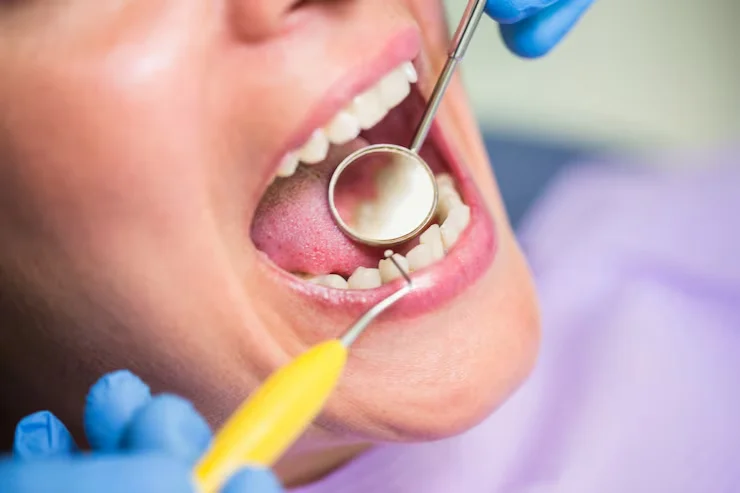





Losing a tooth affects more than your appearance. It changes how you bite, how clearly you speak, and the confidence you carry into everyday situations. Over time, missing teeth can cause surrounding teeth to shift out of position, which disrupts alignment and oral function in ways that only become more complicated to fix later.
If you’ve been researching dental bridges as a solution, you’ve probably run into price ranges so vague they’re barely useful. Here’s an honest breakdown of “how much does a dental bridge cost in Las Vegas” organized by type, by insurance situation, and by the factors that push the number up or down. No filler.
What Is a Dental Bridge?
A dental bridge spans the gap left by missing or damaged teeth by anchoring an artificial tooth to the natural teeth on either side of the space. Those anchor teeth are called abutment teeth. They receive dental crowns, which hold the false tooth (called a pontic) firmly in place.
The result is a permanent bridge that functions much like your natural teeth. Dental bridges have been used in dentistry for decades because they genuinely work. They restore bite function, prevent remaining teeth from drifting into the gap, and look natural enough that most people around you won’t notice.
It’s worth knowing that traditional and cantilever bridges require placing crowns on the support teeth, while Maryland bridges do not, making them a less invasive approach when the clinical situation allows.
Types of Dental Bridges
Understanding the types of dental bridges available helps you have a more informed conversation with your dental professional. Your dentist will recommend a specific type based on where the gap is, the condition of your adjacent teeth, and what your bone structure can support.
Traditional Bridge: The most commonly placed option. A traditional bridge uses two dental crowns on the teeth flanking the gap, with a pontic suspended between them. The abutment teeth are reshaped (referred to as prepared teeth) to accept those crowns. This works well when two healthy teeth exist on both sides of the missing space. Traditional bridges are durable and at least partially covered by most dental insurance plans.
Cantilever Bridges: Cantilever bridges attach to only one natural tooth rather than two. This is used when only one adjacent tooth is available to anchor the bridge. Because a single tooth carries the full load, there’s increased stress on that anchor, and your dentist will carefully assess whether this is structurally appropriate for your case.
Maryland Bridges: Sometimes called a resin-bonded bridge, this type skips crowns entirely. A metal or porcelain framework bonds directly to the backs of the anchoring teeth, requiring minimal preparation of those healthy teeth. These work well for front teeth, where bite pressure is lighter; they’re generally not suited for back molars.
Implant-Supported Bridges: Rather than relying on natural teeth as anchors, implant-supported bridges are secured by artificial tooth roots (titanium implants) placed directly into the jawbone. They cost more upfront but place no stress on your surrounding teeth or adjacent teeth, which is a significant clinical advantage. Implant-supported options are especially well-suited for replacing multiple missing teeth at once. If you’re seriously weighing your options, a direct dental bridge vs tooth implant comparison with an expert dentist at Baldwin Distinctive Dentistry is the right next step.
How Much Does a Dental Bridge Cost in Las Vegas?

This is the question most patients lead with, and understandably so. The actual cost of dental bridges is shaped by several variables: the type of bridge, the materials used, the complexity of the procedure, and your location. Other factors, such as your oral health and the number of teeth to be replaced, also play a meaningful role.
Average Dental Bridge Cost
In Las Vegas, the cost of a dental bridge typically ranges from $3,500 to $5,500. That range reflects the most common scenario: one missing tooth replaced with a traditional bridge supported by two crowns. More missing teeth or a more complex bridge design will push the cost of dental bridges toward the higher end or beyond it. Your out-of-pocket cost will also depend on your dental coverage and deductible.
Bridge Cost Without Insurance
Without insurance, most patients pay the full cost of a standard bridge, $3,500 to $5,500, with implant-supported bridges running higher. Many dental practices in Las Vegas offer payment plans and third-party financing options that let you spread the cost into monthly payments. It’s worth exploring these options before assuming a bridge is financially out of reach. Looking into a dental plan is also worthwhile if you don’t currently have coverage, as it can meaningfully reduce what you pay.
Bridge Cost With Insurance
Dental insurance typically classifies bridges as major restorative services, and many dental insurance plans cover around 50% after your deductible is met. Where medical necessity is established, some dental insurance plans cover between 50% and 80% of the procedure.
Annual maximums are where patients are most often caught off guard. Most plans cap coverage at $1,000 to $2,000 per year. If your bridge costs $4,000 and your plan covers 50%, you might expect $2,000 in coverage, but if your plan’s annual maximum is $1,500, that’s the ceiling the insurer will pay. Waiting periods for major procedures are also common with many plans, including those offered through Delta Dental and similar providers. Confirming your dental coverage details before scheduling is essential.
Average Cost by Type of Dental Bridge
| Bridge Type | Estimated Cost Range | Best For |
| Traditional Bridge | $3,500 – $5,500 | One or more missing teeth with two healthy teeth on either side |
| Cantilever Bridges | $3,000 – $4,500 | Single missing tooth with one available anchoring tooth |
| Maryland Bridges | $2,500 – $4,000 | Front teeth; minimal prep on adjacent teeth |
| Implant-Supported Bridges | $5,000 – $10,000+ | Patients who want no stress placed on surrounding teeth |
These are estimates. Your actual cost comes after an oral exam, X-rays, and a personalized treatment plan, because how many teeth are involved and the overall complexity of your dental needs will shape the final number.
Factors That Affect the Cost of Dental Bridges

Understanding what drives the bridge cost in either direction gives you a more realistic sense of what your specific situation might look like.
Materials Used
Working with the best dentist in Las Vegas, Nevada, the one you find at Baldwin Distinctive Dentistry, means having access to the full range of material options, and your provider will guide your selection based on where in your mouth the bridge will sit and how much biting force that area can handle. Porcelain fused to metal offers solid durability at a slightly lower cost. Zirconia is another option: strong, tooth-colored, and priced at the higher end of the range. Your dental professional will recommend a material based on where in your mouth the bridge goes and on how much biting force that area can handle.
Number of Missing Teeth
A standard bridge covering one missing tooth involves one pontic and two crowns. Each additional missing tooth adds another pontic, increasing the total cost. How many teeth need to be replaced is one of the most direct drivers of the final price; replacing multiple teeth costs noticeably more than replacing a single tooth with a bridge.
Location of the Missing Teeth
Back teeth absorb more chewing force and typically require sturdier (and pricier) materials. Front teeth involve more aesthetic considerations, which influence material selection and dental laboratory fees in a different direction.
Condition of Support Teeth and Oral Health
If the abutment teeth have tooth decay, large fillings, gum disease, or other damage, those issues need to be resolved before the bridge can be placed. Damaged teeth require additional treatment to properly function as support teeth, and that preparatory work factors into the overall cost. Overall, oral health plays a significant role in determining what procedures are needed before restoration begins.
Additional Procedures Required
Extractions, oral surgery, bone grafts, or gum disease treatment may be necessary before bridge placement. Your dental professional will outline all of these steps in your treatment plan, so there are no unexpected charges when treatment wraps up.
Financing and Insurance Coverage for Dental Bridges

Most dental insurance plans classify bridges as major restorative care. Full coverage dental plans may offer broader benefits for major procedures, but most plans cover dental bridges at around 50% after the deductible, subject to the annual maximum. Waiting periods are common before coverage for major procedures kicks in, so verify your plan’s timeline before you schedule.
Delta Dental and similar providers will often pre-verify benefits so you know your insurance coverage going in. If you haven’t used much of your annual benefit yet, that remaining coverage can meaningfully offset the cost of dental bridges. If you’ve already had other dental care this year, you may be approaching your cap.
For patients without dental insurance or those whose coverage falls short, payment plans and third-party financing options make dental bridges more accessible. Many dental practices can confirm what your dental plan will cover before your first appointment, giving you a clear picture of your out-of-pocket cost before any work begins. It also pays to check whether your plan will cover dental bridges for the specific type recommended, as not all bridge types are treated equally under every plan.
What Other Costs Might Be Involved?
The bridge itself isn’t always the only line item. Depending on your dental needs, you may also encounter costs for:
- X-rays and an oral exam (sometimes included in the consultation, sometimes billed separately)
- Tooth extractions, if a damaged tooth still needs to come out before the bridge is placed
- Gum disease treatment, if active periodontal issues need to be addressed before restoration
- A temporary bridge is placed while your permanent bridge is being fabricated in the dental laboratory
- Follow-up adjustments after permanent bridge placement (most practices include one or two post-placement visits)
A skilled dental professional will walk you through each stage of the dental bridge procedure before anything starts, so you know exactly what to expect at every appointment. Beyond bridges, a broad range of dental treatments at Baldwin Distinctive Dentistry are available to support your long-term oral health and smile goals, worth exploring if you have multiple concerns you’d like to address in one place.
What’s Included in the Dental Bridge Procedure?
A standard dental bridge procedure generally involves:
- Initial exam and X-rays to evaluate the gap, adjacent teeth, and bone health
- Tooth preparation where the abutment teeth are shaped to accept the crowns (local anesthesia is used throughout this step to keep you comfortable)
- Impressions or digital scans sent to the dental laboratory where your custom bridge is fabricated
- Temporary bridge placed while you wait, typically two to three weeks
- Permanent bridge placement where the restoration is fitted, adjusted, and permanently cemented in place
- Follow-up visit to confirm your bite and overall comfort
A skilled dental professional will walk you through each stage of the dental bridge procedure before anything starts, so you know exactly what to expect at every appointment.
Frequently Asked Questions
How much does a dental bridge cost with insurance?
Many dental insurance plans cover dental bridges as major restorative services, typically at around 50% after your deductible is met. Your actual out-of-pocket cost depends on your plan’s annual maximum and how much of it you’ve already used. Calling your insurer to confirm whether they cover dental bridges and, if so, at what percentage, before scheduling is a worthwhile step.
How much does a dental bridge cost for one missing tooth?
At Baldwin Distinctive Dentistry, a single-tooth bridge in Las Vegas typically falls between $3,500 and $5,000. The actual cost depends on the type of bridge and materials used. A dental professional will give you a specific quote after reviewing your X-rays and discussing your dental needs.
How long do dental bridges last?
With consistent proper oral hygiene (brushing, flossing under the bridge with a floss threader, and regular professional cleanings), a well-placed bridge can last 10 to 15 years, sometimes longer. The material used and your bite habits both influence longevity. Maintaining good dental health through regular checkups also helps extend the life of your bridge.
Are removable partial dentures a better alternative to bridges?
Removable partial dentures cost less upfront and don’t require altering adjacent teeth, but many patients find them less comfortable for daily use than a fixed restoration. If you want a stable, natural-feeling solution to replace missing teeth, discussing porcelain bridges in Las Vegas or dental implants with your dental professional at Baldwin Distinctive Dentistry is the right approach. Porcelain bridges are custom-shaped to match your surrounding teeth, giving you a permanent restoration that blends in and holds up to everyday use.
Schedule a Consultation Today
Dental bridges are one of the more reliable, time-tested ways to replace missing teeth and restore oral health, and having a clear picture of the cost of a dental bridge takes much of the uncertainty out of the decision. Whether you’re weighing restoration options or exploring what cosmetic dentistry in Las Vegas can do for your overall smile, getting a professional evaluation is always the right starting point.
If you’re ready to get a real number based on your actual dental needs, a consultation with Baldwin Distinctive Dentistry is the right first step. Our team is happy to review your X-rays, walk you through your options, and put together a clear treatment plan with no pressure. Reach out today to set up your appointment.