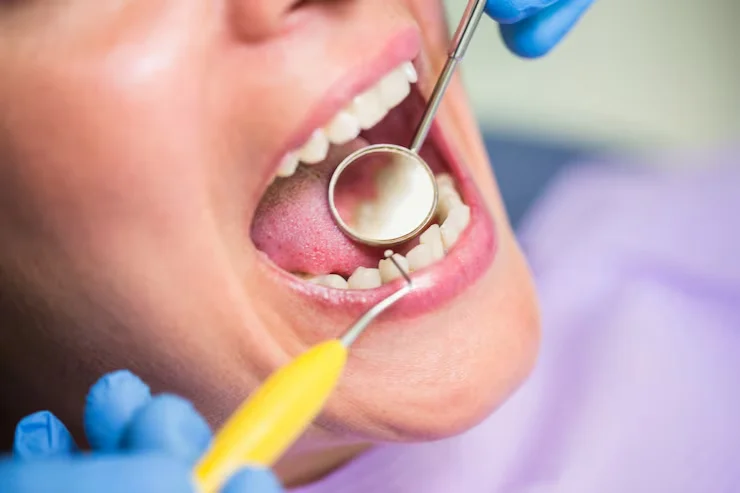


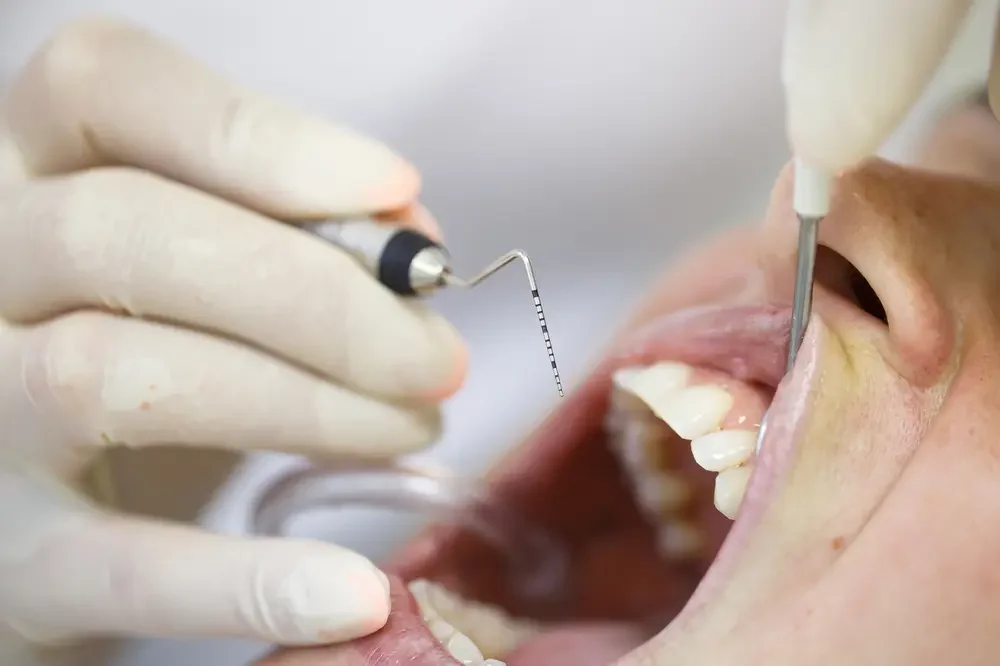


Something feels weird when you bite down. Maybe it’s a dull ache, maybe a quick flash of sensitivity when you drink something hot or cold. All of this is easy to brush off until it isn’t.
Most people don’t rush to the dentist over something small, but that delay is exactly what turns a simple, affordable fix into something much bigger. Dental fillings in Las Vegas are among the most common procedures people postpone. It’s usually because they don’t have any idea what it would cost them. This post will put real numbers into perspective, so you can make a decision based on facts instead of assumptions.
Affordable dental fillings are possible with the right information, and planning ahead for dental expenses can help you avoid unexpected costs.
Introduction to Dental Care
Dental care is a cornerstone of maintaining not just a healthy smile, but your overall well-being. One of the most common dental procedures people encounter is dental fillings, which are used to restore teeth affected by tooth decay. When cavities form, prompt treatment with the right filling material can prevent further damage and preserve your natural tooth structure.
The cost of dental fillings can vary based on several factors, including the type of filling material chosen, the size and location of the cavity, and the complexity of the procedure. These variables mean that no two treatment plans are exactly alike, and understanding your options can help you make the best decision for your dental health and your budget.
Dental insurance coverage is another key factor in managing dental costs. Many insurance plans cover a significant portion of the cost for basic restorative procedures like fillings, though the extent of coverage can depend on the type of filling and your specific insurance plan. Reviewing your dental insurance benefits before treatment can help you anticipate your out-of-pocket expenses and avoid surprises.
Regular dental check-ups are your best defense against tooth decay and the need for more extensive dental procedures. By catching cavities early, your dentist can often treat them with a simple filling, saving you both time and money. Preventive dental care, combined with a good at-home routine, is the most effective way to minimize the need for fillings and keep your teeth healthy for years to come.
If you’re looking for an expert clinic to keep up your dental health, connect with Baldwin Distinctive Dentistry.
What Are Dental Fillings?
A dental filling, also known as a cavity filling, repairs a tooth that’s been damaged by decay, a minor crack, or surface wear. The process involves removing the decayed material, cleaning the affected area, and filling it with a restorative material that brings the tooth back to its normal shape and function.
Filling cavities promptly is a preventive and restorative dental procedure that helps avoid more serious treatments, such as root canals or extractions.
For most patients, the procedure is straightforward — completed in a single visit and well-tolerated with local anesthetic. Dentists use different materials for cavity fillings, such as amalgam, composite, gold, and porcelain, each with its own benefits and considerations. What tends to vary most isn’t the procedure itself; it’s the material chosen and how much the cavity has progressed by the time treatment begins.
Types of Dental Fillings and Their Costs
Material is the biggest variable in what you’ll pay. Key factors that influence tooth filling cost include the type of material used, the size of the cavity, and the number of surfaces involved in the filling.
Each option carries its own trade-offs between cost, appearance, and how long it holds up. Costs vary depending on these key factors.
Understanding the differences makes the pricing conversation with your dentist a lot easier. Keep in mind that fillings covering multiple surfaces of a tooth will increase the overall tooth filling cost.
Amalgam Fillings
Amalgam, also known as silver amalgam, is a metal alloy — primarily silver, tin, copper, and mercury — that has been used in dentistry for more than 150 years. It’s strong, wear-resistant, and well-suited for molars that take significant bite pressure. Gold fillings, by contrast, are made from an alloy of gold, copper, and other metals, which contributes to their durability and resistance to corrosion. According to the American Dental Association, amalgam fillings typically last 10 to 15 years, often longer with consistent oral hygiene.
The main limitation is appearance. Silver amalgam does not match the color of natural teeth, as it is silver-colored, which makes it visible in the back of the mouth. It remains a practical, budget-accessible choice for posterior teeth where aesthetics are less of a concern.
Composite (Tooth-Colored) Fillings
Composite resin fillings have become the most widely used filling material in the U.S., largely because of their cosmetic benefits and aesthetic appeal—they blend seamlessly with the natural tooth color. Composite fillings consist of a resin-based material that matches the tooth’s natural color and typically last 5 to 10 years.
Composite resin fillings bond directly to the tooth surface, require less removal of healthy enamel than amalgam, and deliver a clean, natural result. Composite fillings bond directly to the tooth structure, reducing the likelihood of future fractures, but are not as durable as amalgam fillings.
Material quality has improved considerably over the past decade, and many newer composites perform close to amalgam in durability. For visible teeth, most patients consider composite resin fillings the obvious cosmetic choice.
Composite fillings usually cost more than silver amalgam fillings, typically ranging from $200 to $400 without insurance.
Ceramic Fillings
Ceramic or porcelain fillings offer the strongest aesthetic outcome of any filling type. They resist staining, mimic natural enamel in both color and translucency, and hold up well over time. Ceramic fillings provide the most natural appearance and translucency, closely matching surrounding teeth for a seamless look. The process is different from standard fillings — ceramic restorations are lab-fabricated and typically placed in two appointments.
Porcelain fillings are primarily used for large cavities and cost between $300 and $4,500.
These are commonly placed as inlays or onlays rather than traditional direct fillings. If you’re weighing that option, a closer look at dental onlays in Las Vegas patients choose can help clarify when an onlay makes more sense than a standard filling.
Want a detailed cost breakdown on ceramic fillings? Connect with Baldwin Distinctive Dentistry now.
Gold Fillings
Gold is the most durable filling material available, with a lifespan that can exceed 20 years under normal use. It handles heavy bite pressure well and doesn’t corrode. Some dentists and patients still prefer gold for large restorations in back teeth precisely because of this track record.
Cost and the need for multiple appointments are the main drawbacks. Gold fillings are among the most expensive restorations available, but for patients who prioritize longevity above all else, the math can work out over time.
How Much Do Dental Fillings Cost in Las Vegas?

Pricing depends on three main factors: the material selected, the size of the cavity, and which tooth needs treatment. The cavity filling cost can vary significantly depending on these key factors. Here’s a grounded breakdown of what patients typically pay. Geographic location is a major factor, with urban areas like Las Vegas typically being more expensive than rural areas due to higher overhead costs.
The tooth location also matters, as fillings in back molars are often more complex and may lead to higher fees. The national average cost for dental fillings can serve as a benchmark, but the final cost will depend on local factors such as economic conditions and healthcare policies. Larger cavities require more material and time, increasing the overall cost. Other factors, such as the complexity of the procedure and the dentist’s expertise, can also influence the final cost.
For an expert dentist, you can connect with Baldwin Distinctive Dentistry.
Average Cost of Dental Fillings
In the Las Vegas area, a composite resin filling generally runs between $150 and $300 per tooth for a single surface. Amalgam comes in lower; ceramic and gold push significantly higher depending on complexity and lab involvement.
Cost of Dental Fillings Without Insurance
Without insurance, you’re paying the full rate out of pocket. A one-surface composite filling typically costs $150 to $300, while multi-surface cavities can reach $300 to $500 or more. Exploring different payment options can help you save money on dental fillings, especially if you do not have insurance coverage.
Amalgam without coverage generally falls between $75 and $150 per filling. Ceramic and gold restorations, when fabricated in a lab, can run $800 to $1,500 or more per tooth. Dental schools often offer lower prices for cavity fillings performed by students under supervision.
Cost Differences Based on Filling Materials
Cavity size plays as significant a role as material. A small one-surface cavity in a front tooth costs less than a three-surface cavity in a molar, regardless of material. Your dentist will factor both into any quote before work begins.
Comparing the Cost of Different Filling Materials
Standard composite fillings in Las Vegas generally fall in the $150 to $300 range per tooth, with cost scaling up based on the number of surfaces involved and the tooth’s location in the mouth.
| Filling Type | Estimated Cost Per Tooth | Typical Lifespan | Best Suited For |
|---|---|---|---|
| Amalgam | $75 – $150 | 10–15+ years | Back teeth; cost-sensitive patients |
| Composite Resin | $150 – $300 | 5–10 years | Visible teeth; natural color match |
| Ceramic/Porcelain | $400 – $1,000+ | 10–15 years | High aesthetic priority; stain resistance |
| Gold | $800 – $1,500+ | 15–20+ years | Maximum durability; large restorations |
These figures reflect typical Las Vegas area pricing; individual quotes will vary based on the specific case. Your dentist can give you a precise cost estimate before committing to any treatment.
Dental plans can significantly influence your out-of-pocket costs for fillings, but keep in mind that many dental plans impose waiting periods for new enrollees, often delaying coverage for basic procedures like fillings by 3 to 12 months.
What to Expect During a Dental Filling Procedure
Knowing the steps ahead of time tends to make the appointment feel less intimidating. Here’s how a standard filling visit typically unfolds:
- Exam and X-ray. The dentist confirms the cavity’s location, size, and depth before any treatment begins.
- Local anesthetic. The area is numbed so you don’t feel pain during the procedure.
- Decay removal. The damaged tooth structure is carefully removed using a drill or laser.
- Filling placement. Material is applied and shaped — composites go in layers; amalgam is pressed and contoured.
- Curing and bite check. Composite is hardened with a curing light, then polished. The bite is tested and adjusted as needed.
Most single-surface fillings are completed in under an hour. Ceramic or gold inlays require a second appointment since the restoration is made off-site between visits.
Tips for Recovering After a Tooth Filling
Recovery is typically quick, but a few simple habits help you get back to normal faster.
- Hold off on chewing on the treated side for a few hours, particularly while numbness is still wearing off
- Expect mild temperature sensitivity for a few days; it usually settles on its own without any intervention
- Skip very hard or sticky foods for the first 24 hours while a composite filling fully hardens
- Pay attention to your bite. If it feels uneven when you close your mouth, a quick follow-up appointment will fix it
- For patients who’ve had recent whitening treatment, it’s worth reading about how to maintain teeth whitening, since composite filling material doesn’t respond to whitening agents after it’s placed
Most patients are eating normally within a day. Some sensitivity around the tooth for a week or two is normal as the nerve settles.
Financing Options for Dental Fillings
Cost concerns keep more people out of the dentist’s chair than they should. Here’s what’s actually available.
- Dental insurance typically covers 70 to 80 percent of basic restorative treatment, including amalgam fillings. Composite coverage varies; some plans cover it at the same rate, and others reimburse at the amalgam level and leave you to cover the difference.
- In-office membership plans offer discounted rates on services for a flat annual fee — worth asking about if you’re uninsured or between coverage periods.
- Third-party financing through options like CareCredit lets you break the total into monthly payments, often with a no-interest promotional period.
- Direct payment plans through the dental office are also common, particularly for patients who need several fillings addressed at once.
There’s rarely a single path for managing dental costs. A quick conversation with the front office usually reveals options you wouldn’t have known to ask about.
Preventing Cavities to Avoid Future Filling Costs

Routine care costs a fraction of what treatment does. Twice-yearly cleanings with the best dentist in Las Vegas, Nevada, catch early decay before it becomes a filling, and catch failing fillings before they become crowns.
Habits that actually make a difference:
- Brush twice daily with fluoride toothpaste and floss once; most cavities trace directly back to skipping one or both consistently
- Cut back on sugary beverages, especially between meals when saliva production is lower, and teeth are more vulnerable
- Ask about sealants for children or adults with deep molar grooves where decay tends to start
- Don’t skip cleanings; professional removal of built-up tartar is something brushing alone can’t accomplish
Small, consistent habits are what keep one from becoming the first of many.
Risks of Delaying a Dental Filling
Waiting on a known cavity isn’t a neutral decision. A small cavity that’s affordable to treat today can deepen significantly within six to twelve months.
Once decay reaches the pulp (the inner nerve tissue of the tooth), the treatment escalates from a filling to a root canal. Root canals typically cost $700 to $1,500 or more, depending on the tooth, and that’s before the crown that usually follows. In more advanced cases, infection spreads beyond the tooth, and extraction becomes the only option, which then opens up the longer conversation about tooth replacement.
If you’re already dealing with tooth pain and can’t wait for a routine appointment, urgent dental care Las Vegas options can get you seen before the problem gets harder to manage. Decay doesn’t resolve on its own. Treating it early keeps the solution simple.
Frequently Asked Questions
Can I wait to get a filling, or will it cost more later?
Waiting almost always raises the cost. Small cavities grow, and once decay reaches the nerve, you’re looking at a root canal rather than a filling — a significantly more involved and expensive procedure.
How do I know when my old filling needs replacement?
Pain around the tooth, visible cracks, rough edges, or new sensitivity are all signs worth paying attention to. An expert dentist like Kevin Baldwin at Baldwin Distinctive Dentistry can often spot early filling failure on X-rays before you feel anything, which is one reason the dental services Las Vegas, NV, patients rely on include regular diagnostic imaging.
Are there ways to reduce filling costs without insurance?
Yes. In-office membership plans, third-party financing, and direct payment plans are all real options worth asking about. Some practices also offer reduced rates when multiple fillings are completed in the same appointment.
Are there differences in filling costs based on materials?
Significantly. Amalgam runs roughly $75 to $150 per tooth at the low end; ceramic and gold options can reach $1,000 or more. Composite falls in the middle and is the most commonly placed material today, particularly for teeth that show when you smile.
What should I expect during and after a dental filling procedure?
The appointment itself takes under an hour for most single-surface fillings. Numbness typically lingers for a few hours afterwards, and mild cold sensitivity is normal for several days. If sensitivity doesn’t improve within two weeks, let your dentist know.
Protect Your Smile with Dental Fillings in Las Vegas
A cavity addressed early is a small procedure with a small price. Left alone, it rarely stays small.
If something feels off or you’re overdue for a check-up, the best dentist in Las Vegas, Nevada, at Baldwin Distinctive Dentistry can take a look and walk you through exactly what’s going on. Schedule a visit — it’s a straightforward first step toward knowing where you stand.