



A missing tooth changes more than your smile, since it can shift your bite, affect your speech, and make chewing noticeably harder over time. A dental bridge procedure replaces that gap with a secure, natural-looking restoration built to last for years.
The exact steps depend on your oral health, the type of bridge chosen, and your dentist’s specific treatment plan for your case. Knowing what typically happens at each stage tends to ease much of the pre-appointment uncertainty that most patients feel.
What Is a Dental Bridge?
American adults aged 20 to 64 have an average of 26 remaining teeth, according to NIH. A dental bridge fills exactly that kind of gap, restoring both function and appearance at once.
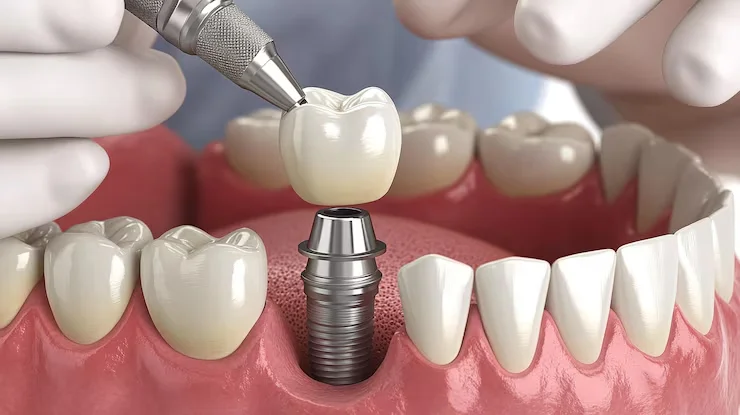
A bridge is a fixed restoration made of one or more artificial teeth, called pontics, held firmly in place by crowns on either side of the gap. Those supporting teeth are known as abutments, and they anchor the entire structure securely inside your mouth for daily use.
Bridges can be supported by your own natural teeth or by dental implants, depending on the specifics of your case and oral health. Many patients choose bridges to restore chewing ability, prevent nearby teeth from drifting into the space, or simply rebuild a complete, confident smile.
Common reasons people consider a bridge include the following everyday concerns:
-
Trouble chewing comfortably on one side of the mouth after losing a tooth
-
Shifting teeth that gradually move into an open gap over several months
-
Speech changes caused by a noticeable space between two or more teeth
-
Smile concerns tied to a visible missing tooth near the front of the mouth
If you are weighing a dental bridge vs. dental implants, your dentist will factor in bone density, your budget, and how many teeth actually need replacing before making a recommendation.
How to Prepare for a Dental Bridge Procedure
Preparation starts well before anyone touches your teeth, and that groundwork matters more than most patients realize when they go in. Your first visit typically includes a full exam, detailed imaging, and an honest conversation about which treatment option is right for you.
Several factors shape that plan and determine how quickly treatment can move forward from there. Gum health, the strength of nearby teeth, your bite alignment, and the exact position of the missing tooth all play a meaningful role.
Consultation and Exam
Here’s a closer look at what that first appointment typically includes.
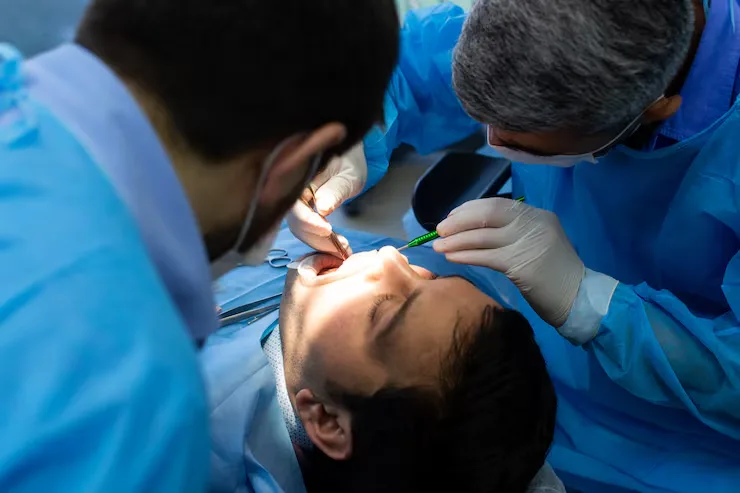
Your dentist reviews your bite, evaluates the size of the gap, and takes X-rays or digital scans of the entire area. From there, you will discuss whether a traditional bridge, an implant-supported bridge, or another restoration option best fits your situation.
A Las Vegas dentist familiar with restorative and prosthetic care can walk you through each realistic option before any final decision gets made.
Tooth and Gum Health
Decay or gum disease near the treatment area often needs to be addressed before a bridge procedure can take place safely. Weak or compromised supporting teeth simply cannot hold a restoration long-term without that groundwork addressed first.
Dr. German Gallucci, executive director of the Harvard Dental Center, has pointed out that missing teeth affect far more than appearance alone. As he explained in a Harvard Health feature on tooth replacement, missing teeth affect not just appearance but also overall health. That distinction is precisely why a thorough evaluation matters before any treatment begins.
Dental Bridge Procedure: Step by Step
Most traditional bridges require more than one appointment to complete the process correctly and comfortably. Here is the general sequence that most patients go through from beginning to end.
Step 1: Tooth Preparation
The abutment teeth on either side of the gap get reshaped first to make room for the bridge. This step creates enough clearance for the crowns that will eventually anchor your new restoration securely in place.
Local anesthesia is standard at this stage, so most patients feel pressure rather than actual pain. Once the teeth are shaped and ready, your dentist takes an impression or digital scan to send to the dental lab.
Step 2: Temporary Bridge
A temporary bridge protects the freshly prepared teeth while your permanent restoration gets fabricated off-site. This process usually takes a couple of weeks, depending on the lab’s schedule and the complexity of your case.
For a patient missing just one tooth, a temporary bridge might consist of a single replacement tooth supported by crowns on the two adjacent teeth. More complex cases naturally involve additional planning, more lab time, and a somewhat longer wait.
Step 3: Permanent Bridge Placement
Your dentist checks the fit, carefully adjusts your bite, and cements the final bridge into place once it returns from the lab. A few small adjustments at this visit help ensure everything feels comfortable the moment you bite down.
Many patients considering porcelain bridges in Las Vegas appreciate how closely the material can match their surrounding natural teeth in both shade and overall shape.
Recovery and Aftercare After a Dental Bridge

Recovery from a bridge procedure is usually mild compared to more involved dental work, such as extractions. Most people return to their normal daily activities on the very same day.
Normal Sensitivity
Some tenderness around the gum line is common for a few days following each individual appointment. Over-the-counter pain relief typically manages any lingering discomfort well enough for most people to stay comfortable.
If soreness gets noticeably worse instead of better as the days pass, call your dentist rather than waiting it out at home.
Daily Cleaning
Cleaning underneath a bridge requires a slightly different approach than brushing an ordinary natural tooth. Special tools help you reach the space beneath the pontic, where plaque tends to accumulate.
Helpful cleaning tools that many patients rely on include the following options:
-
Floss threaders designed to slide beneath the bridge and around each abutment
-
Interdental brushes built for cleaning tight spaces between neighboring teeth
-
Water flossers that flush debris out from under the pontic effectively
Skipping this daily step significantly increases the risk of decay in the abutment teeth that support your bridge.
Factors That Affect Your Dental Bridge Timeline
Timing depends heavily on the type of bridge you need and how much preliminary work comes first. A simple traditional bridge often moves considerably faster than one built around dental implants.
Implant-supported bridges generally take longer to complete because the implant itself needs time to heal and properly fuse with the jawbone. That necessary healing period can add several additional months to the overall treatment timeline.
Traditional bridges skip that extended waiting period entirely, since they rely on your existing teeth rather than a surgically placed implant. Your dentist can walk you through realistic timing once your exam wraps up, along with financing options for various dental treatments if cost is a factor in your decision.
Your Next Step Toward a Complete Smile
A gap in your smile does not have to stay permanent, and a bridge offers a proven, time-tested way to close it for the long haul. Every treatment plan looks a little different depending on your mouth, your goals, and your budget.
Baldwin Distinctive Dentistry works with patients throughout the Las Vegas area to build a plan that genuinely fits their needs and timeline. Contact us today to schedule a consultation and explore your realistic options.
Dental Bridge Procedure FAQs
Is a dental bridge procedure painful?
Not typically, since local anesthesia numbs the treatment area completely during both tooth preparation and final placement. Most patients feel steady pressure rather than sharp pain throughout each individual appointment.
How long does a dental bridge procedure take?
Traditional bridges usually require two visits spaced a few weeks apart. Implant-supported bridges take considerably longer overall because the implant itself needs time to fully heal first.
Can I eat normally after getting a dental bridge?
Soft foods work best for the first day or two immediately after placement is complete. Once the soreness fades, most patients return to their normal diet with few restrictions.
How long does a dental bridge last?
Many bridges last somewhere between 5 and 15 years with consistent, attentive care and regular dental checkups. Good oral hygiene habits play a significant role in extending that lifespan even further.
When should I call my dentist after a bridge procedure?
Call your dentist if you notice worsening pain, visible swelling, or a bridge that feels loose or shifted. A quick evaluation early on can help prevent a more serious problem later.
Book Your Dental Bridge Consultation Today
A dental bridge typically lasts five to fifteen years with proper care, though only a hands-on exam confirms the right fit. Warning signs such as looseness, swelling, or worsening pain always warrant prompt evaluation.
Baldwin Distinctive Dentistry welcomes Las Vegas patients ready to explore their bridge options with an experienced team. Schedule a consultation today and start your path toward a complete, confident smile.