




What Are Composite Fillings?
Composite fillings are a modern, aesthetically pleasing solution for repairing cavities and minor tooth damage. Made from a blend of tooth-colored resin and finely ground glass particles, these fillings are designed to blend seamlessly with your natural teeth. At Baldwin Distinctive Dentistry in Las Vegas, our providers frequently recommend composite fillings for patients seeking a durable and discreet way to restore their smile.
Unlike traditional silver amalgam fillings, composite materials bond directly to the tooth structure. This not only reinforces the remaining enamel but also allows for more conservative treatment, preserving more of your natural tooth. Composite fillings are a versatile choice for treating decay, repairing chips or cracks, and even reshaping teeth for cosmetic purposes.
How Cavities Form and Why Fillings Are Necessary
Cavities develop when bacteria in the mouth produce acids that erode the enamel—the protective outer layer of the teeth. If left untreated, this decay can progress deeper into the tooth, leading to pain, infection, and even the need for root canal therapy or extraction. The purpose of a filling is to remove the decayed portion of the tooth and restore its strength and function.
Fillings are not just about halting decay—they also prevent further deterioration and protect the tooth from future damage. Composite fillings are particularly effective because they chemically bond with the tooth structure, creating a tight seal that helps block out bacteria. For patients in Las Vegas looking for a strong and subtle solution to cavities, composite materials provide long-term protection without sacrificing appearance.
The Procedure: What to Expect During Treatment
Getting a composite filling is a straightforward and minimally invasive process. The treatment usually takes one visit and can often be completed in under an hour, depending on the size and location of the cavity. At Baldwin Distinctive Dentistry, we begin by numbing the area to ensure comfort throughout the procedure.
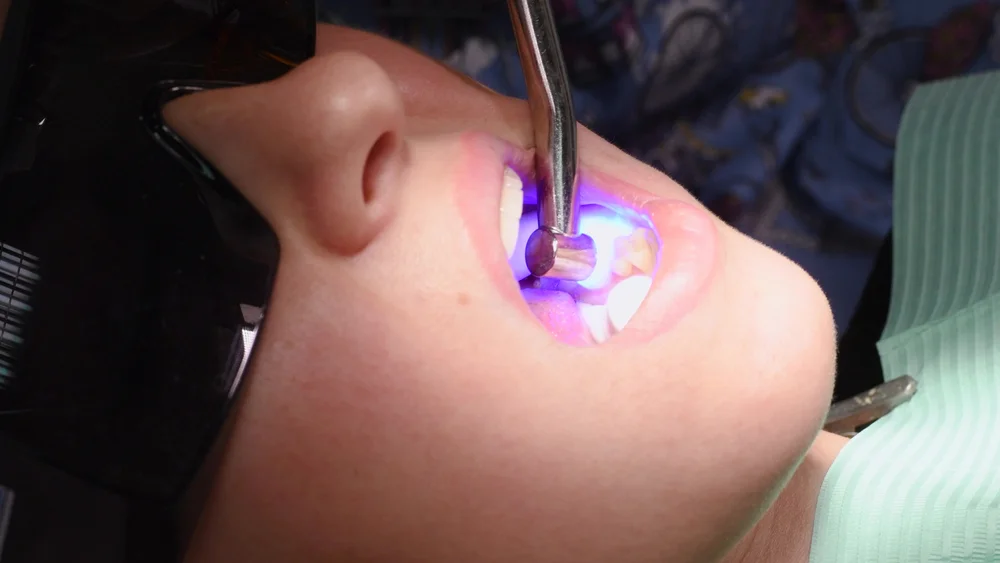
Once the tooth is numb, your dentist will carefully remove the decayed material and clean the cavity. The composite resin is then applied in layers, with each layer hardened using a special curing light. This step-by-step process ensures the filling bonds securely to the tooth and matches the natural shape and contour. After all layers are in place, the filling is polished to create a smooth, lifelike finish that blends in with your surrounding teeth.
Advantages of Composite Fillings Over Other Materials
One of the biggest benefits of composite fillings is their natural appearance. Because the material is tinted to match your existing tooth color, it’s nearly invisible—making it ideal for visible areas like the front teeth or sides of your smile. Patients appreciate being able to laugh, talk, and smile without revealing obvious dental work.
Composite fillings also require less removal of healthy tooth structure compared to amalgam fillings. This conservative approach preserves more of the natural tooth, which contributes to its overall strength. Additionally, because the material bonds tightly to the enamel, it adds structural support, reducing the risk of cracks or fractures over time.
Durability and Longevity of Composite Fillings
Modern composite materials are designed to withstand the daily forces of chewing and speaking. While they may not last as long as gold or amalgam in some cases, they offer excellent durability—typically lasting 5 to 10 years with proper care. For smaller or medium-sized fillings, especially in low-pressure areas, composite resin performs exceptionally well.
Patients in Las Vegas who maintain good oral hygiene, avoid excessive grinding, and attend regular dental checkups often enjoy long-lasting results from their composite restorations. If a filling does wear down or become damaged, it can be repaired or replaced easily without removing the entire restoration.
When Are Composite Fillings the Best Option?
Composite fillings are ideal for patients who want an aesthetically pleasing solution without metal. They’re especially effective for:
- Small to medium-sized cavities
- Front teeth or other visible areas
- Teeth that need reshaping or cosmetic correction
- Replacing old or discolored fillings
In cases where cavities are large or located in high-stress areas, your dentist may recommend alternative materials such as inlays, onlays, or crowns for added strength. At Baldwin Distinctive Dentistry, we evaluate your unique situation and discuss the best options to ensure long-lasting health and beauty.
Maintaining Your Composite Fillings
Keeping your composite fillings in good condition requires the same care as your natural teeth. Daily brushing with fluoride toothpaste, regular flossing, and twice-yearly dental cleanings are essential. You should also avoid chewing hard objects like ice or pens, as this can damage both the fillings and your natural enamel.
If you experience sensitivity, changes in bite, or notice wear near the filling, contact your dentist promptly. Early detection of any issues allows for simple repairs rather than full replacement. With consistent care, your composite fillings will continue to protect your smile for years to come.
Sources:
Mjor, I. A., & Toffenetti, F. (2000). Secondary caries: A literature review with case reports. Quintessence International.
Ferracane, J. L. (2011). Resin composite—State of the art. Dental Materials.
Lynch, C. D., & Wilson, N. H. F. (2013). Managing the phase-down of amalgam: part I. British Dental Journal.


