

You bite down on a popcorn kernel. “Zing.” You stop chewing, take a breath, and it’s gone. Then you try again, and yep, it’s back. If that sounds familiar, you might be dealing with a cracked tooth.
Cracks can be sneaky. Many are hairline and nearly invisible, so you can’t always “see the problem.” What you can notice are the patterns. Early diagnosis can help prevent infection, further damage, and tooth loss.
What Is Cracked Tooth Syndrome?
A cracked tooth, sometimes called cracked tooth syndrome, is a break in that particular tooth’s structure. It can start on the chewing surface and travel toward the gum line. Sometimes the crack extends into the gum line or root. When symptoms of a cracked tooth show up, the crack can irritate the dental pulp, the soft center of the tooth that holds nerves and blood vessels. Cracks can start from biting ice or hard candy, a hit to the mouth, or nightly teeth grinding.
A 2015 case report series describes cracked tooth syndrome as an incomplete fracture of a vital posterior tooth that can extend into dentin and sometimes into the pulp.
Types of Cracked Tooth Diagnoses
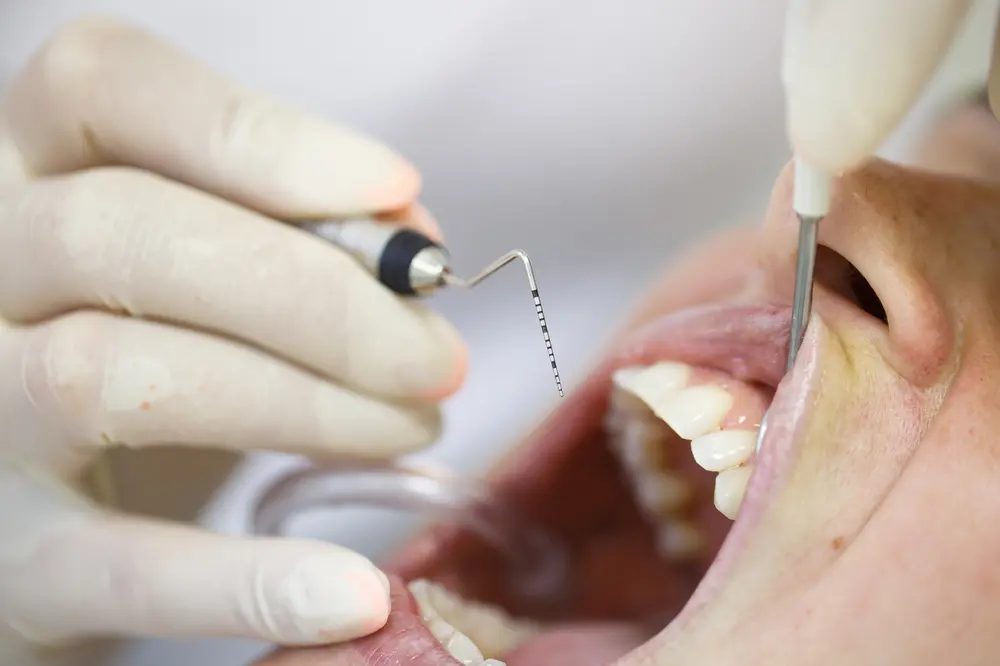
Not every crack is an emergency, but every crack deserves a real exam.
Cracked Tooth With Craze Lines
Craze lines are tiny, shallow lines in the tooth enamel. They’re really common, especially as we get older, and they usually don’t cause pain. Most of the time, they’re more of a cosmetic thing than a true crack that threatens the tooth’s integrity.
That said, you still want your dentist to look at them during regular visits. A craze line can sometimes look like a deeper crack, and you can’t confirm the difference at home. If the tooth starts reacting to cold, sweet foods, or biting pressure, or you notice swelling near the gum line, that’s when it’s time to get checked sooner, not later.
Fractured Tooth Dental Injuries
This is the “something hit my mouth” or “I bit something hard” situation. If a piece breaks off, save it. Put the fragment in milk or saliva and bring it to your appointment.
Chipped Tooth
A chip is a missing corner or edge. It may feel rough and trap food particles. If it triggers sensitivity, get it checked.
Split Tooth
A split tooth means the crack lines have separated the tooth into two parts. This is usually serious and needs treatment quickly. Sometimes a dentist can save part of the tooth, but if the split goes below the gum line or into the root, extraction is often needed.
Fractured Cusp
A fractured cusp is a break around a filling. Large fillings can weaken a tooth over time, raising the risk of a tooth fracture.
5 Common Cracked Tooth Symptoms
Most cracked teeth are tricky because you may only notice vague or intermittent pain. Your dentist uses a few diagnostic techniques to find the exact tooth causing the issue.
1. Sharp Pain When Chewing or Biting
This is the classic one. You bite, and the pain hits hardest when you release pressure. The tooth flexes, the crack opens, and the inner parts get stressed.
If the pain is intense, or you can’t chew, call for Las Vegas emergency dental care.
2. Sensitivity to Hot and Cold
A cracked tooth may cause sharp sensitivity to hot coffee, ice water, or sweet foods. The pain can linger after the sip or bite, which can mean the crack exposed inner layers or irritated the pulp tissue.
3. Intermittent Toothache or Throbbing Pain
Pain that comes and goes is common with cracks, and it can make the problem hard to pin down. Medical News Today notes cracked-tooth pain often comes and goes, which can make it harder to locate the crack.
4. Swelling Around the Gumline
Swollen or tender gums near one tooth can mean bacteria slipped into the crack and irritated the gum surrounding it. Sometimes you’ll see a pimple-like bump, which can signal an abscess.
If you’re noticing other mouth changes too, like a coated tongue or a new odd taste, take a look at our unhealthy vs healthy tongue page, then schedule an exam.
5. Visible Lines or Fractures on the Tooth Surface
Sometimes you can spot a line or dark spot, but many cracks hide in the back teeth. Cleveland Clinic notes cracked teeth don’t always cause symptoms, and when they do, signs include sharp pain when biting, sensitivity to temperature changes or sweet foods, swelling, and a toothache when chewing.
Cracked Tooth Diagnosis and Treatment Options

Diagnosis starts with a visual exam and questions about your symptoms. Your dentist may use bite tests to reproduce the pain and pinpoint the exact tooth. X-rays help rule out other issues, but they can’t detect all cracks.
Cracked tooth treatment depends on how deep the crack is and whether the pulp is involved. The goal is to protect the tooth’s integrity and stop further damage.
“Our focus is saving the tooth when we can, stabilizing it fast, and keeping you comfortable,” says the Baldwin Distinctive Dentistry clinical team.
Dental Bonding or Filling
If the crack is small and hasn’t reached the tooth pulp, dental bonding or a filling can seal the area and help stop sensitivity. The goal is to close off the crack so bacteria and food particles don’t keep irritating the affected tooth. This option works best for minor crack lines or a chipped area on the chewing surface.
Dental Crown
A dental crown is a custom “cap” that covers the damaged tooth and holds it together so it can handle biting pressure again. Crowns are common for cracked molars, teeth with large fillings, or cracks that make the tooth feel weak when you chew. They also help prevent the crack from spreading and protect the tooth’s integrity long-term.
Root Canal Treatment
If the crack reaches the tooth pulp, root canal therapy may be needed to remove infected pulp and relieve pain. A root canal can make a tooth weaker than a natural tooth, so it’s often followed by a crown. If you need Las Vegas root canals, we’ll explain what can be saved and what the tooth needs next.
Tooth Extraction
If the crack extends under the gum line into the root, it most likely can’t be treated and will need to be removed. If that’s the safest path, we’ll talk through Las Vegas tooth extraction options and what comes next.
Frequently Asked Questions About Cracked Teeth
Can a cracked tooth heal on its own?
No. The crack stays, even if symptoms fade for a while.
Is a cracked tooth always painful?
No. Some cracks hurt only when chewing, or only with hot, cold, or sweets.
Can X-rays detect all tooth cracks?
No. X-rays can miss fine cracks, so dentists combine tests and imaging.
Are cracked teeth common?
Yes. A 2006 analysis notes cracked teeth occur frequently in mandibular molars with large restorations and in those over 50 years old.
How long can I wait before treating a cracked tooth?
If you suspect a crack, contact a dentist or dental specialist soon. Early detection improves the odds of saving the tooth.
Book an Appointment With Our Experienced Dentists Today
If you notice sharp pain when releasing biting pressure, sensitivity that lingers, gum swelling, or pain that keeps coming back, don’t gamble with it. Cracks can spread, and infection can follow.
Schedule an exam so we can confirm what’s going on and map out next steps. While you’re here, ask about Opus Colibri if you’re curious about cosmetic add-ons. We’ll also review your full range of dental treatments, so you leave with a plan that fits your tooth and your life.


